
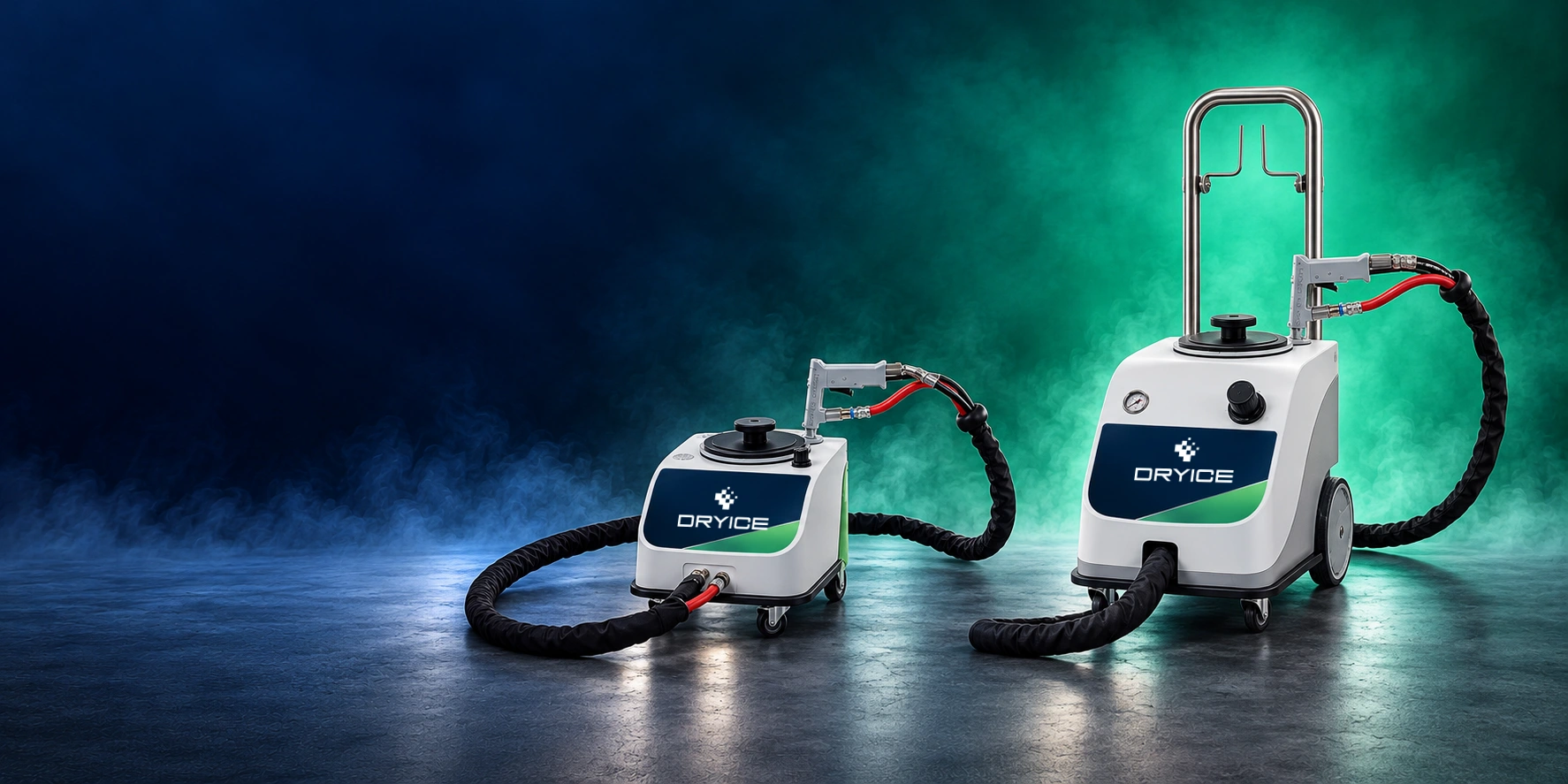
Method comparison
Dry ice
alongside other methods.
No method is the best at everything. Here is a factual comparison: what does the cleaning, what is left after the job and when each route is suitable.
Overview
Five routes
to a clean surface.
A general comparison. Suitability is always decided by the specific surface, the deposit and the place of work.
| Dry ice | Abrasive blasting | Pressure washing | Chemical cleaning | Manual cleaning | |
|---|---|---|---|---|---|
| What does the cleaning | Pellets of solid CO₂ and compressed air | Sand, slag, glass and other abrasives | Water, sometimes with heat and detergents | Solvents and cleaning agents | Scrapers, brushes, cloths |
| What is left after the job | The medium turns to gas, so no secondary waste is created. Only the loosened dirt needs clearing up. | Used abrasive mixed with dirt is left behind. | Contaminated water is left, which has to be drained away or collected. | Used agents and rinse water are left, which are handled in line with regulations. | Depends on the tools and agents used. |
| Where it makes sense | Deposits on machines, moulds and equipment where water or abrasive residue is a problem. | Removing rust and old coatings, preparing a surface for a new coating. | Outdoor surfaces, vehicles, and coarse dirt where water is not a problem. | Grease and deposits that chemicals dissolve reliably, and parts that can be soaked. | Small areas, fine finishing and places where equipment is not worthwhile. |
| What to bear in mind | It needs enough compressed air and ventilation. It is not suited to large areas, does not profile the surface and will not remove deep corrosion. | It also removes base material. The abrasive gets into the surroundings and into mechanisms. | A wet surface and surroundings, drying time. Not suited to electrics and sensitive assemblies. | Operator protection, compatibility with the material, waste handling. | Slow on intricate shapes and large areas; the result depends on the person. |
Deciding
When yes
and when probably not.
Dry ice makes sense when
- Water or moisture is a problem on site.
- Neither sand nor any other abrasive may get into the equipment.
- The surface should stay as it is, just without the deposit.
- The equipment is cleaned in place, without dismantling or with only partial disassembly.
Consider another method when
- The aim is to remove deep rust or to roughen the surface before coating.
- There is not enough compressed air on site and it cannot be provided.
- The space cannot be ventilated or extracted.
- It is a large continuous area. Dry ice is not suited to those.
- It is a few small parts that are quicker to wash by hand.
Frequently asked questions
Questions
about the comparison.
Can’t find your answer? Write to us and we will add it.
All questionsIs dry ice gentler than sandblasting?
The pellets are considerably softer than common abrasives, which is why the method is used where the surface should be preserved. How gentle it is, however, depends on the material and the settings; on sensitive surfaces a trial verifies it.
Is there really nothing left after cleaning?
No blasting medium is left, because the ice turns to gas. The loosened dirt remains and has to be collected and cleared up.
Can dry ice be combined with another method?
Yes, in practice that is common. For example, rough pre-cleaning by another method and dry ice for the places where water or abrasive is a problem.
Which method works out cheapest?
That cannot be said without knowing the task. The price includes not only the cleaning itself but also preparation, clearing up and downtime. That is why we start with photographs and a description.
It all fits together
Four directions.
One whole.
Material, equipment, service and partnership.
Choose where you want to go next.
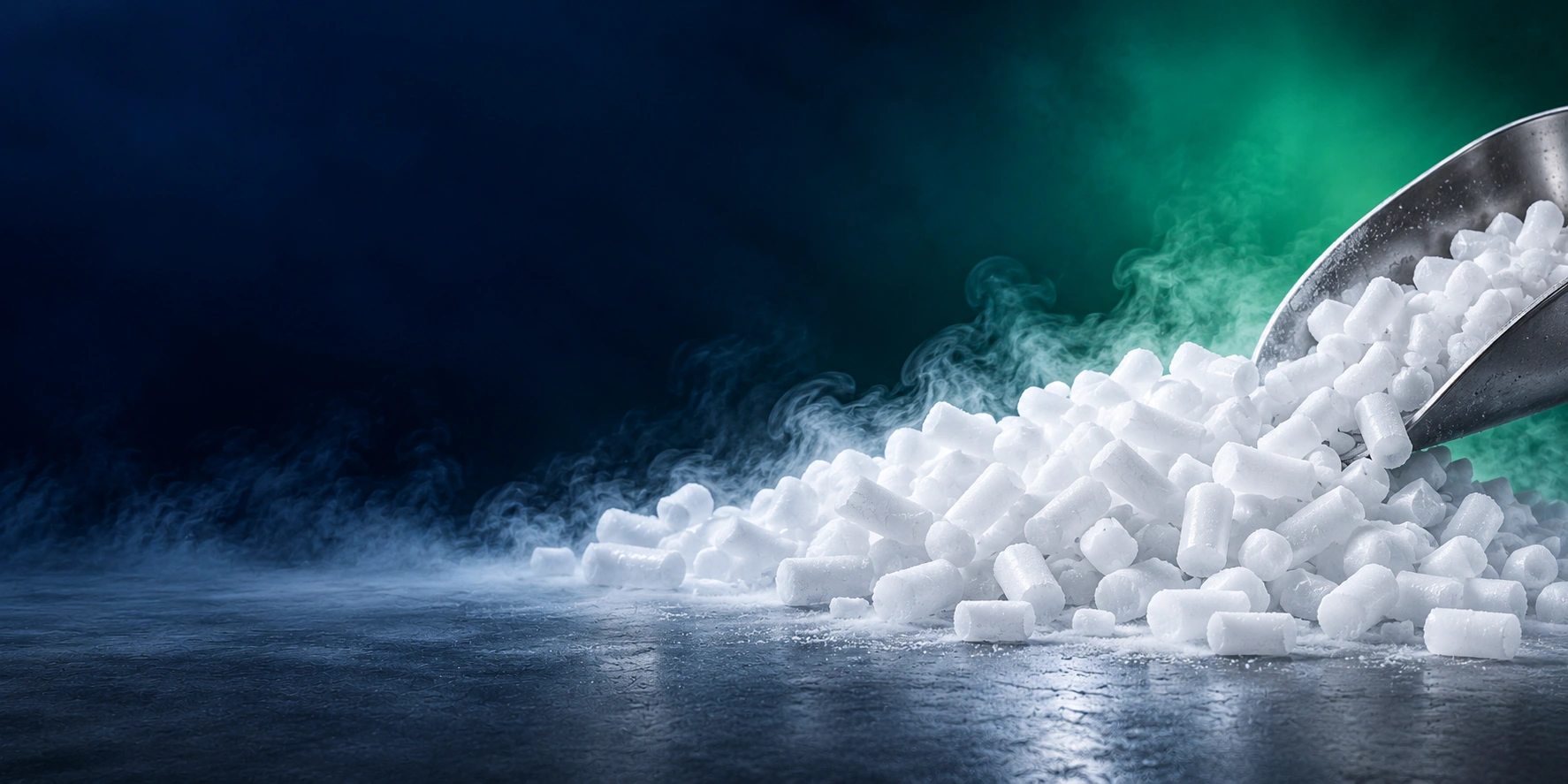
The material for your clean result.
Made in Sokolov, supplied across the Czech Republic.
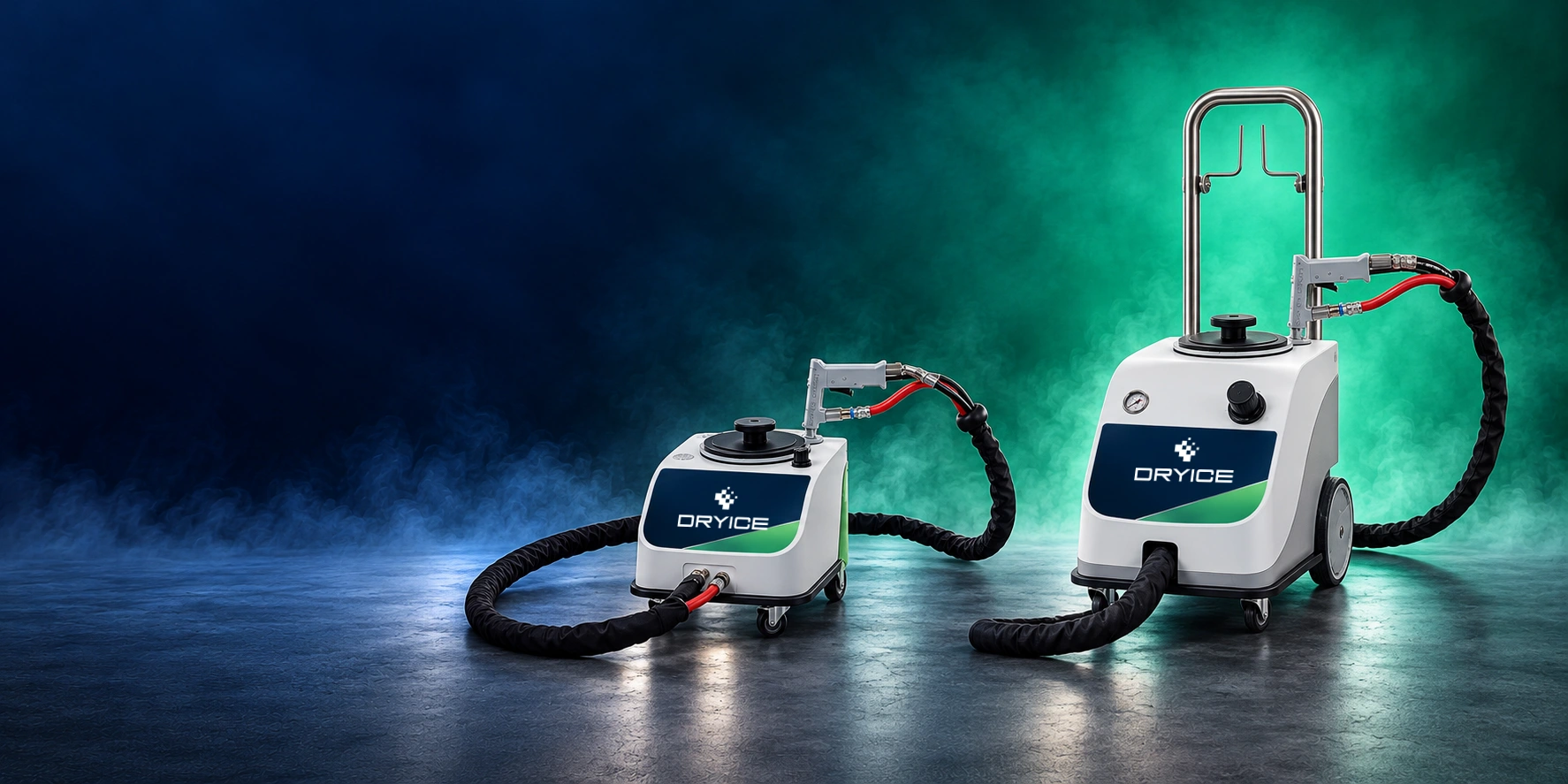
Performance where it belongs.
Equipment and accessories for your work.
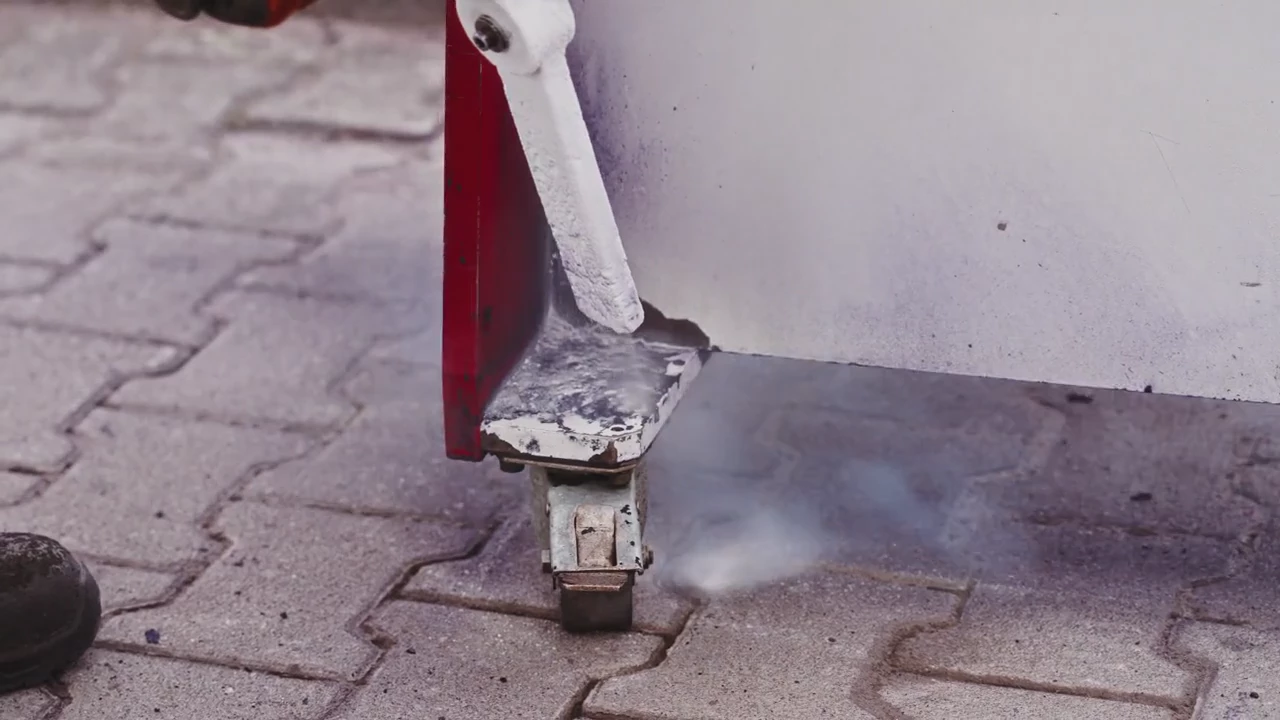
You will see it in the result.
Professional cleaning in the Czech Republic and the EU.
We can take the next step together.
Connect your business with Dry Ice.
Let’s start with your question
What can dry ice
do for you?
Tell us about your job. Together we will find the next step.
Chebská 53, 356 01 SokolovCleaning
We travel across the Czech Republic and the EU