
Applications
Find your reason
for dry ice.
An engine bay, a production mould, or kitchen equipment? Start with what you need to clean. We will show you typical tasks and together check a suitable approach for your surface.
- From the workshop to the production hall
- 17 areas
- What the sector usually deals with
- Typical tasks
- According to surface and conditions
- Checked in advance
Areas of application
Your work.
A new view of cleaning.
The texts describe what the technology can do. We always check suitability against the surface and the conditions on site.
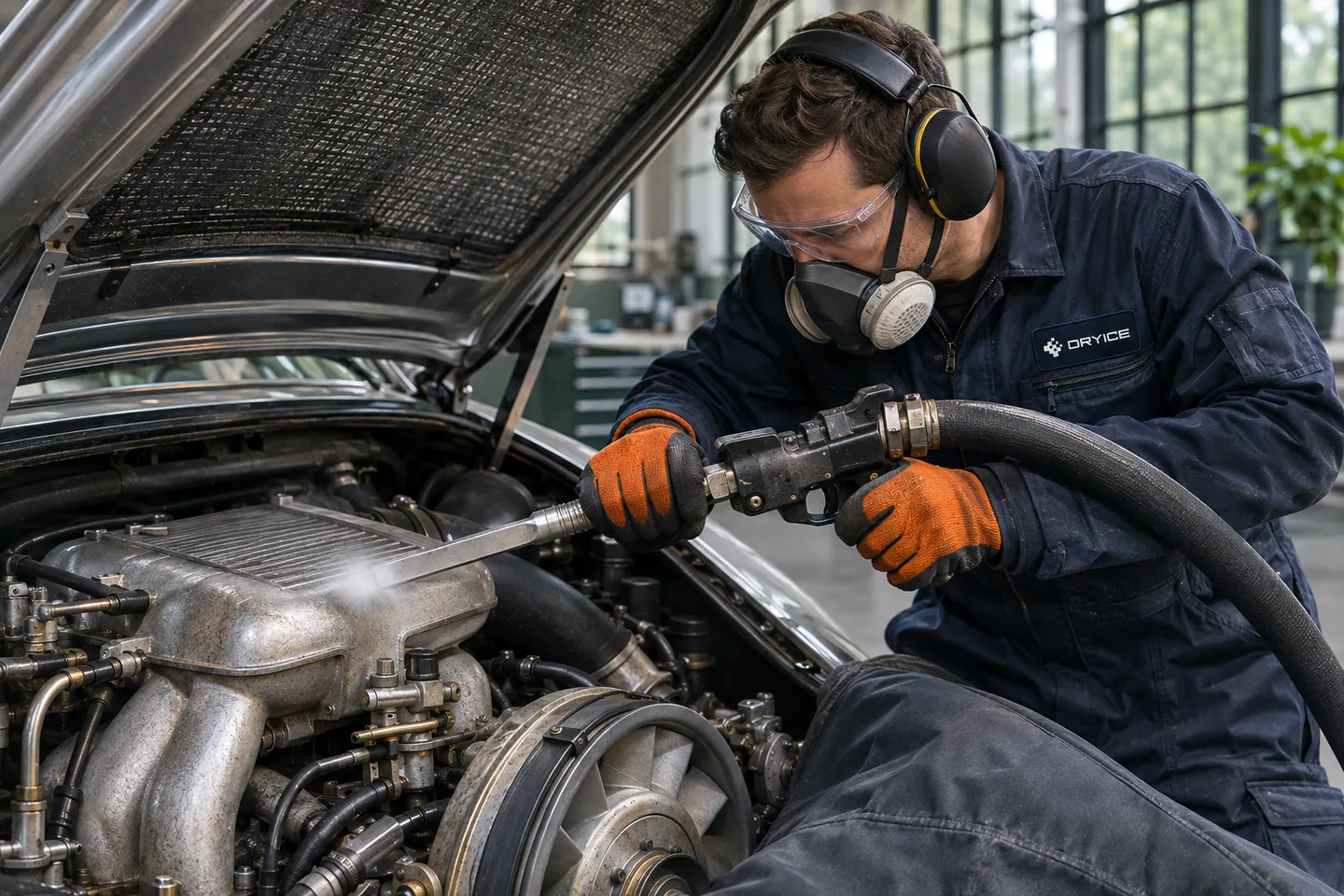
Cars and restoration
Engines · underbodies · restoration
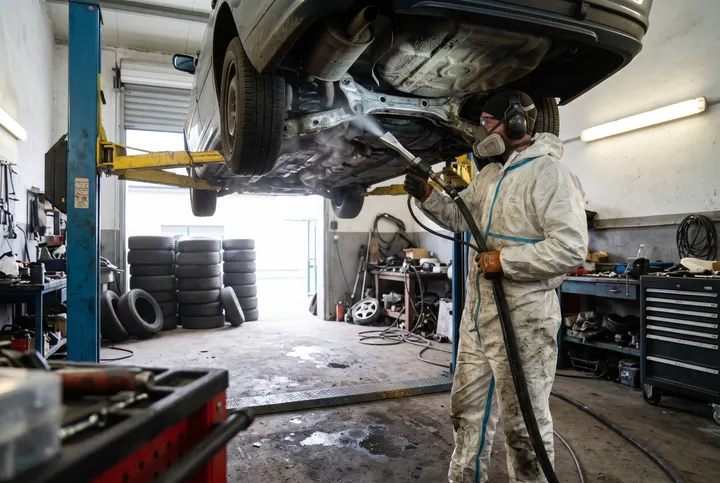
 From our work
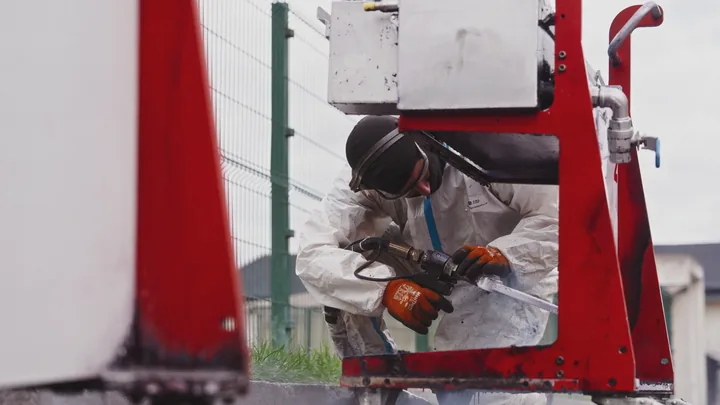
Engineering and maintenance
Machines · jigs · conveyors
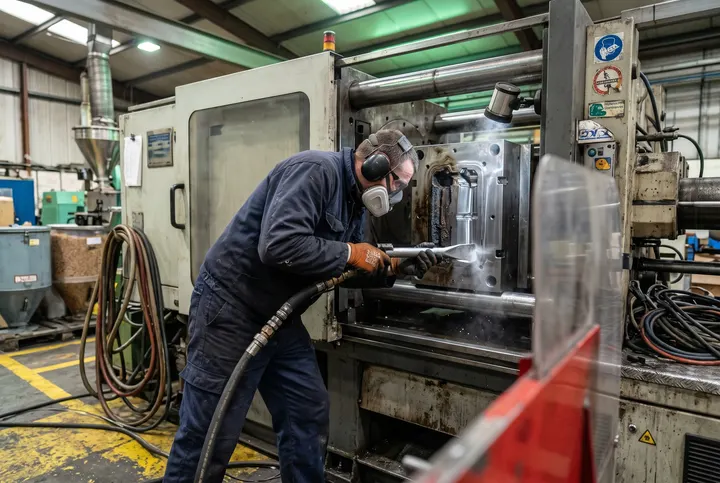
Plastics production and moulds
Cavities · release agents · fine contours
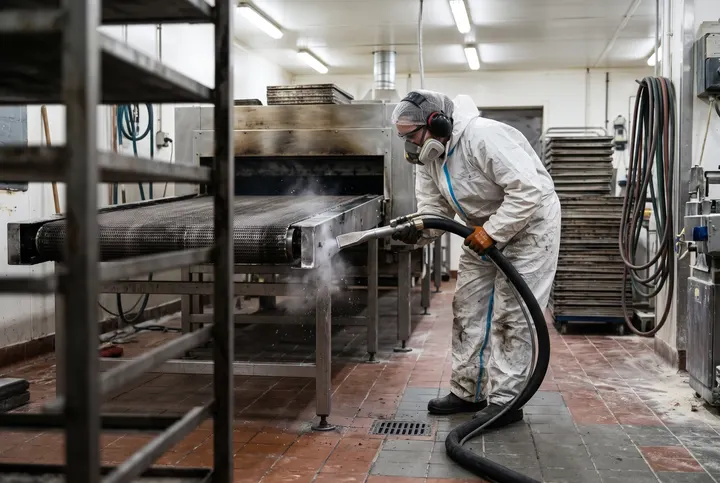
Food industry and catering
Ovens · lines · kitchen equipment
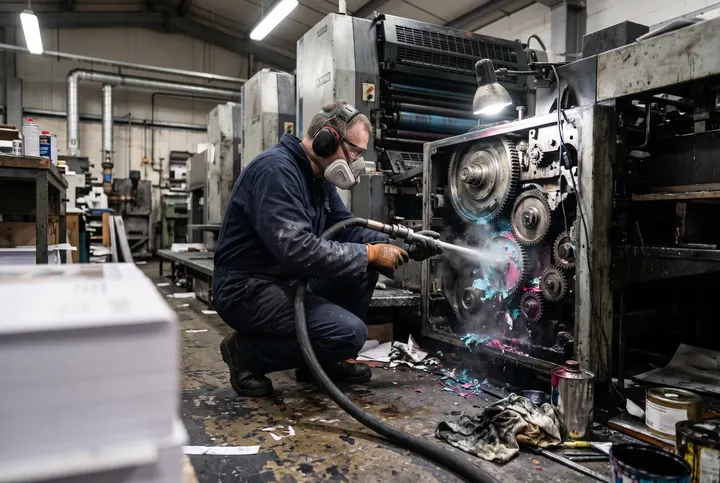
Printing, paper and packaging
Inks · adhesives · paper dust
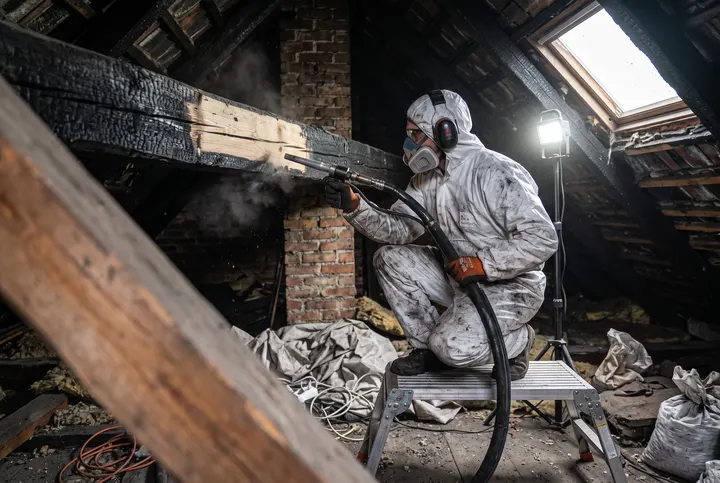
Buildings and remediation
Soot · masonry · timber structures
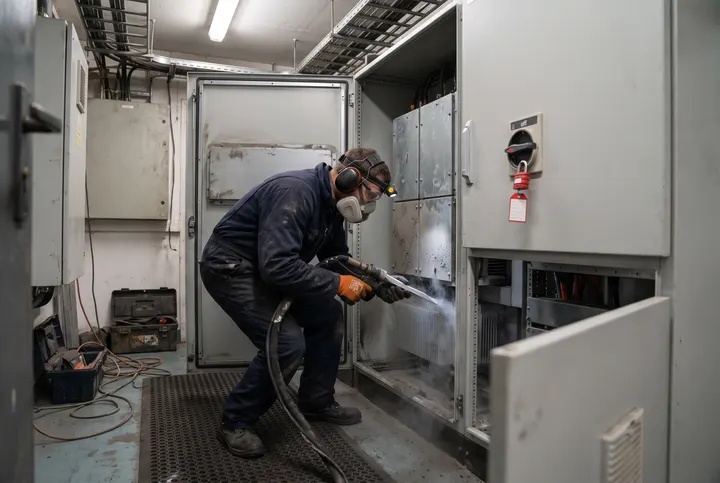
Electrical equipment and switchboards
Switchboards · covers · technical assemblies
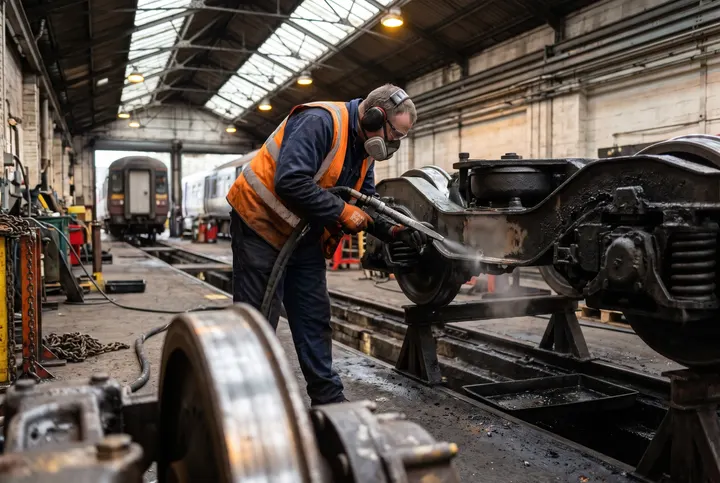
Rail and aviation
Undercarriages · covers · service parts
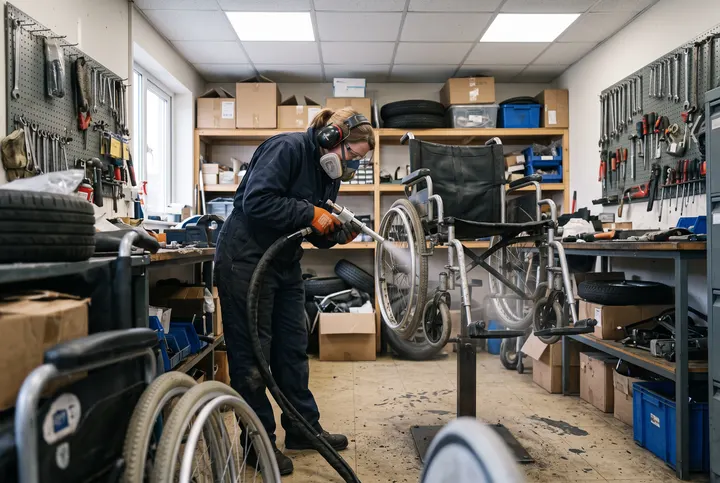
Medical equipment
Aids · technical areas · covers
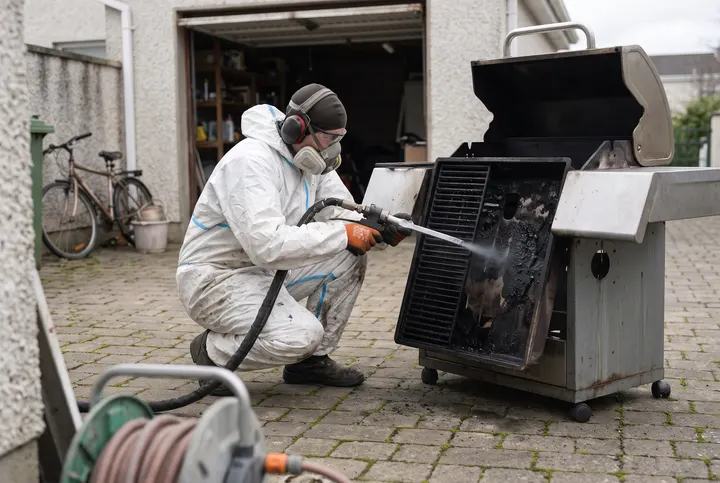
Workshop and home
Tools · barbecues · hard surfaces
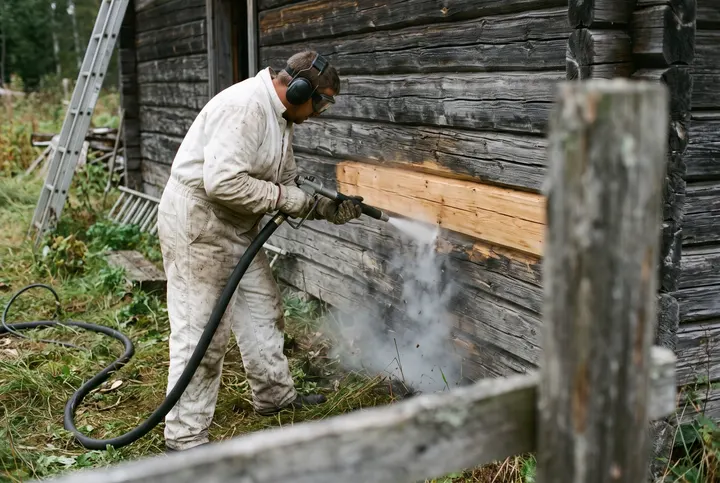
Timber buildings and furniture
Beams · cladding · old furniture
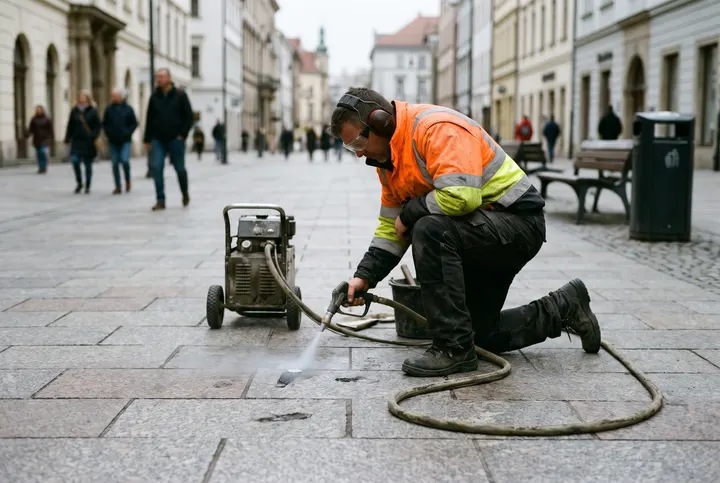
Towns and municipalities
Chewing gum · graffiti · street furniture
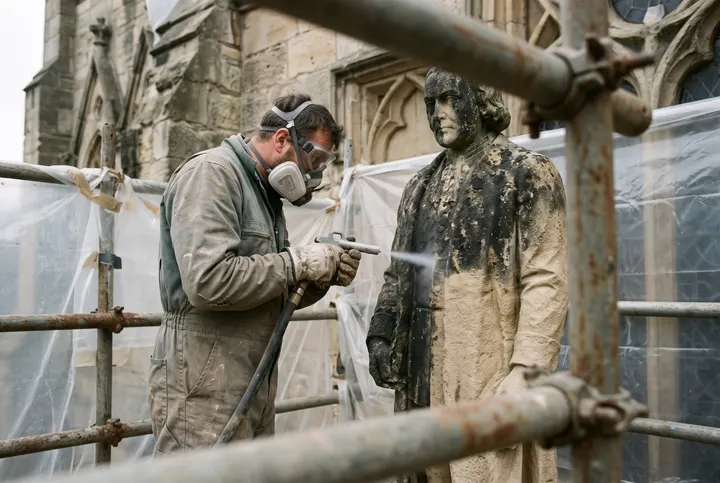
Heritage and art
Stone · statues · graffiti
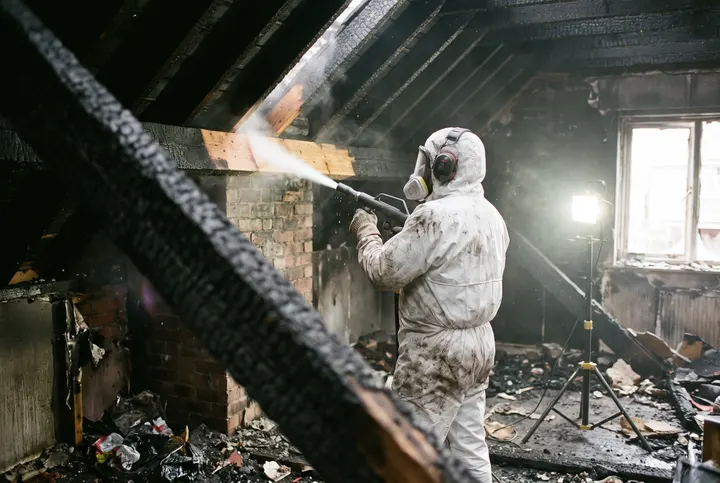
After a fire
Soot · roof trusses · masonry
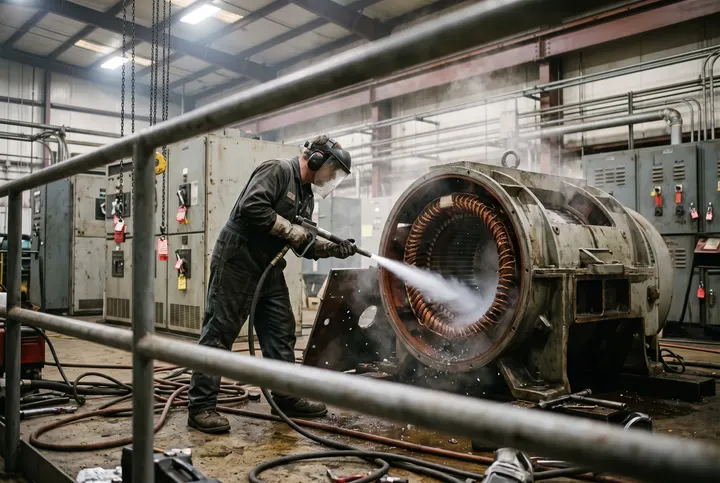
Energy
Generators · turbines · shutdowns
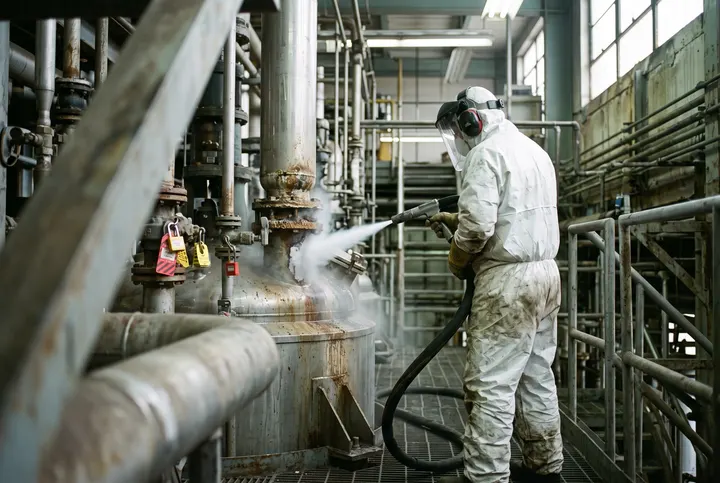
Chemical industry
Process equipment · pipework · shutdowns
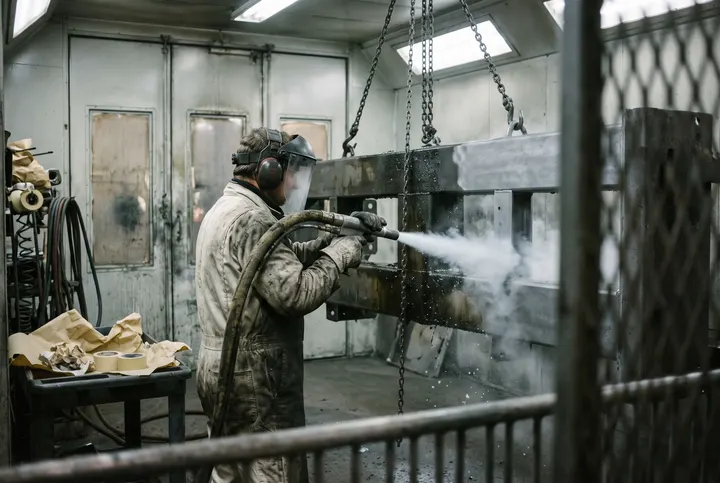
Before painting
Degreasing · old coatings · jigs
We always check suitability against the surface and the conditions on site.The image for Engineering and maintenance comes from the Dry Ice × LUKAS video.
Is your task missing? Write to usHow to decide
Three things
that decide.
Surface and dirt
Send an overall view and a close-up. Tell us what material the part is made of and what you need to remove from it.
Conditions on site
We will go through access, the scope of work, the availability of compressed air and how the job fits in with your operations.
A suitable approach
Where needed, we will arrange a trial clean and propose the service, your own equipment with ice deliveries, or a partnership.
Frequently asked questions
Questions before
the first clean.
Can’t find your answer? Write to us and we will add it.
All questionsDo I need to know the model of the cleaning machine?
Start by describing your job. We will discuss suitable technology, accessories and dry ice supply according to the surface and the conditions on site.
Can I order the cleaning on its own?
Yes. For the service, we first assess the photographs and description, run a trial if needed and agree the scope of the work. If you need to clean regularly with your own staff, we will also discuss equipment and dry ice supply.
Where does the removed dirt go?
Dry ice turns into gas. The loosened dirt remains, though, and has to be captured or cleared away properly. How it is collected is part of preparing the work.
Can every surface be cleaned in the same way?
The settings and suitability change with the material, the surface finish and the type of deposit. For a sensitive or unknown substrate, a trial on a small area helps.
What should I send with an enquiry?
A photograph of the whole item and a close-up, the surface material, the type of dirt, and the approximate extent and location of the work. Add whether it is a one-off job or regular maintenance.
It all fits together
Four directions.
One whole.
Material, equipment, service and partnership.
Choose where you want to go next.
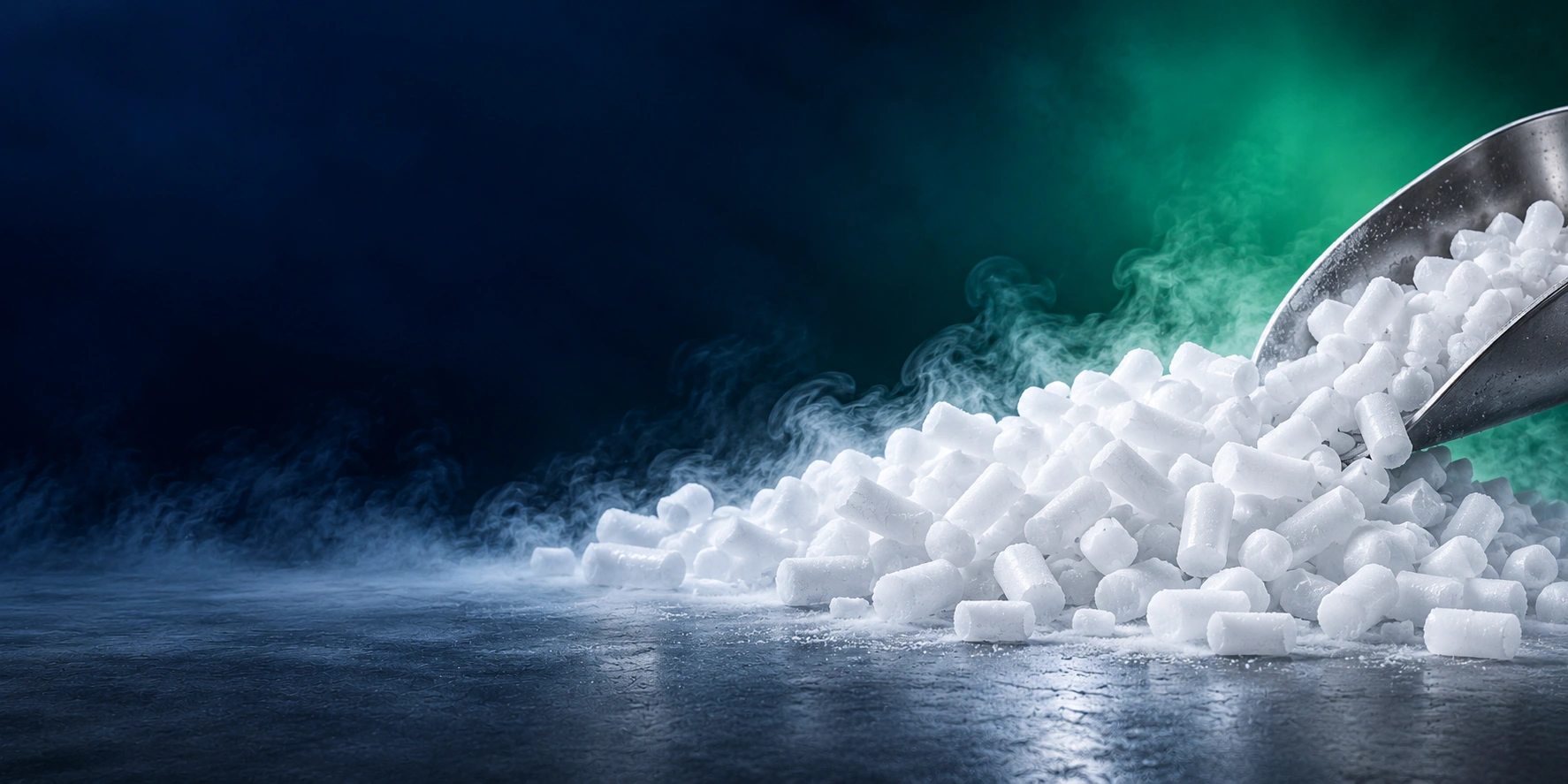
The material for your clean result.
Made in Sokolov, supplied across the Czech Republic.
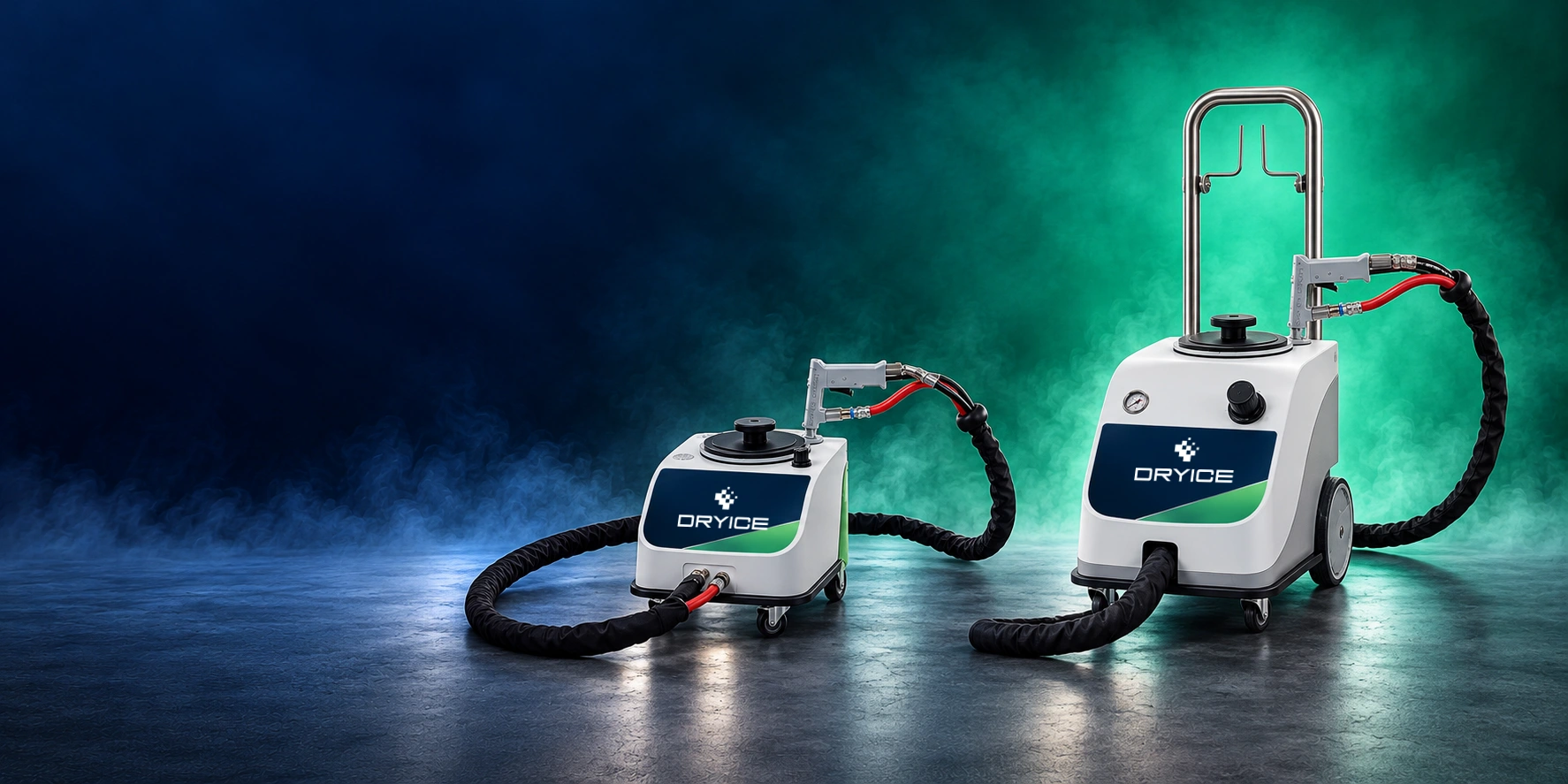
Performance where it belongs.
Equipment and accessories for your work.
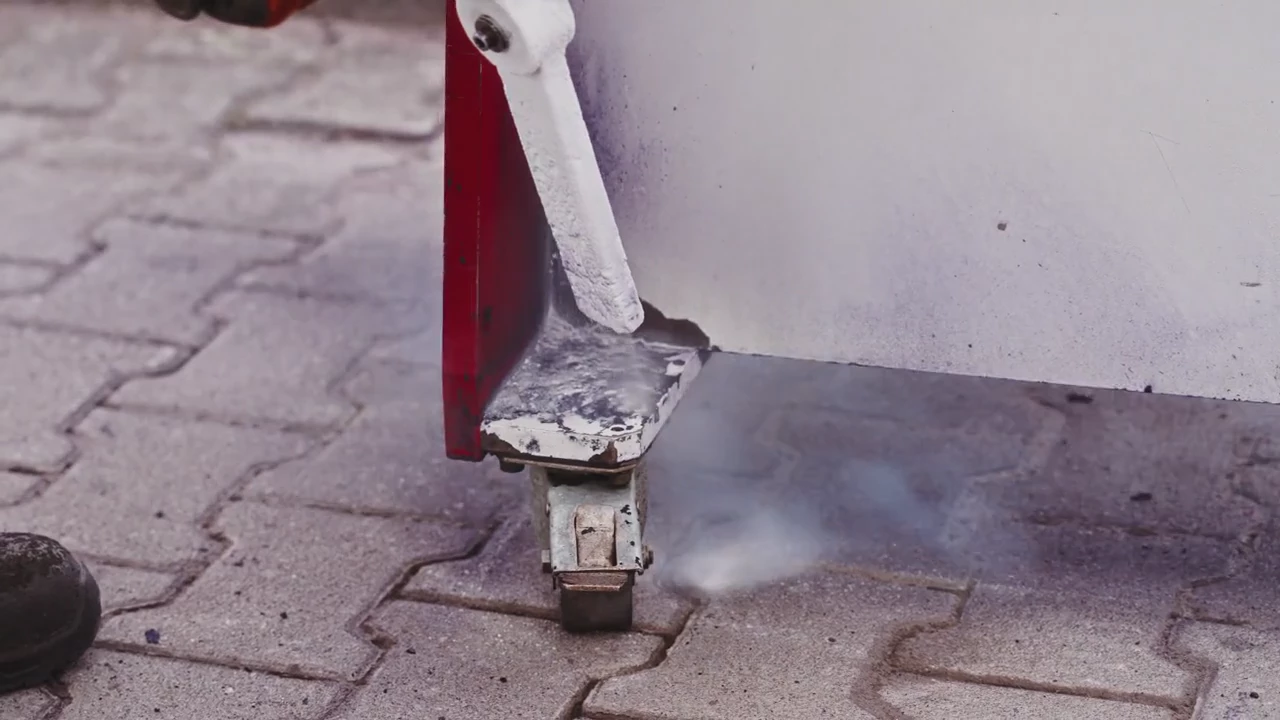
You will see it in the result.
Professional cleaning in the Czech Republic and the EU.
We can take the next step together.
Connect your business with Dry Ice.
Let’s start with your question
What can dry ice
do for you?
Tell us about your job. Together we will find the next step.
Chebská 53, 356 01 SokolovCleaning
We travel across the Czech Republic and the EU