Cleaning as a service
We assess your photographs, check the approach and carry out the work at your site.
Find out more CSLet’s talk
The material behind a clean result.
Production and delivery of pellets for cleaning, one-off or on a regular schedule.
OverviewDry ice
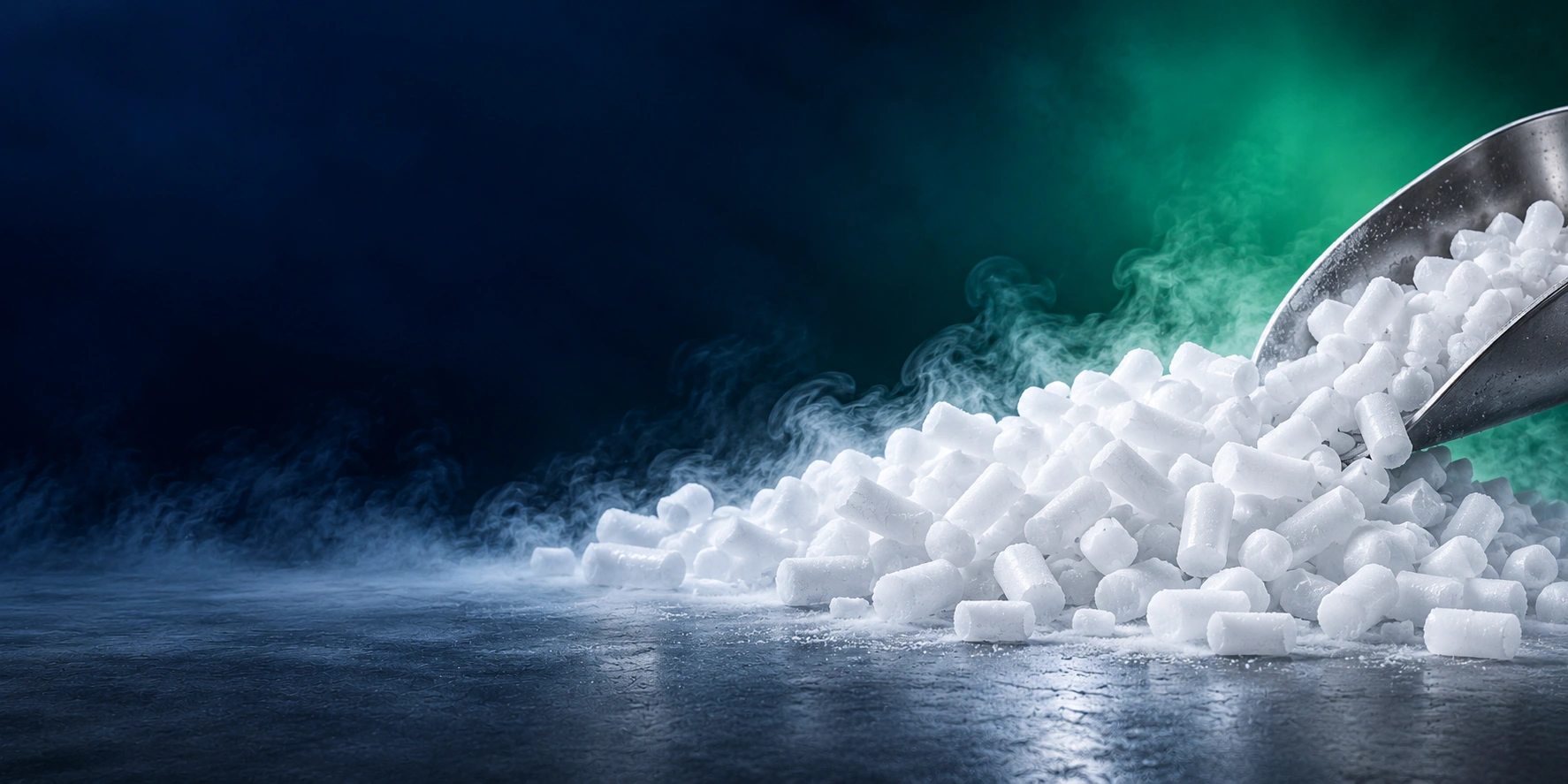 Need a delivery?Tell us when and where you need the ice.
The right tool for your job.
Machines, compressed air and accessories put together for the task.
OverviewMachines
Equipment
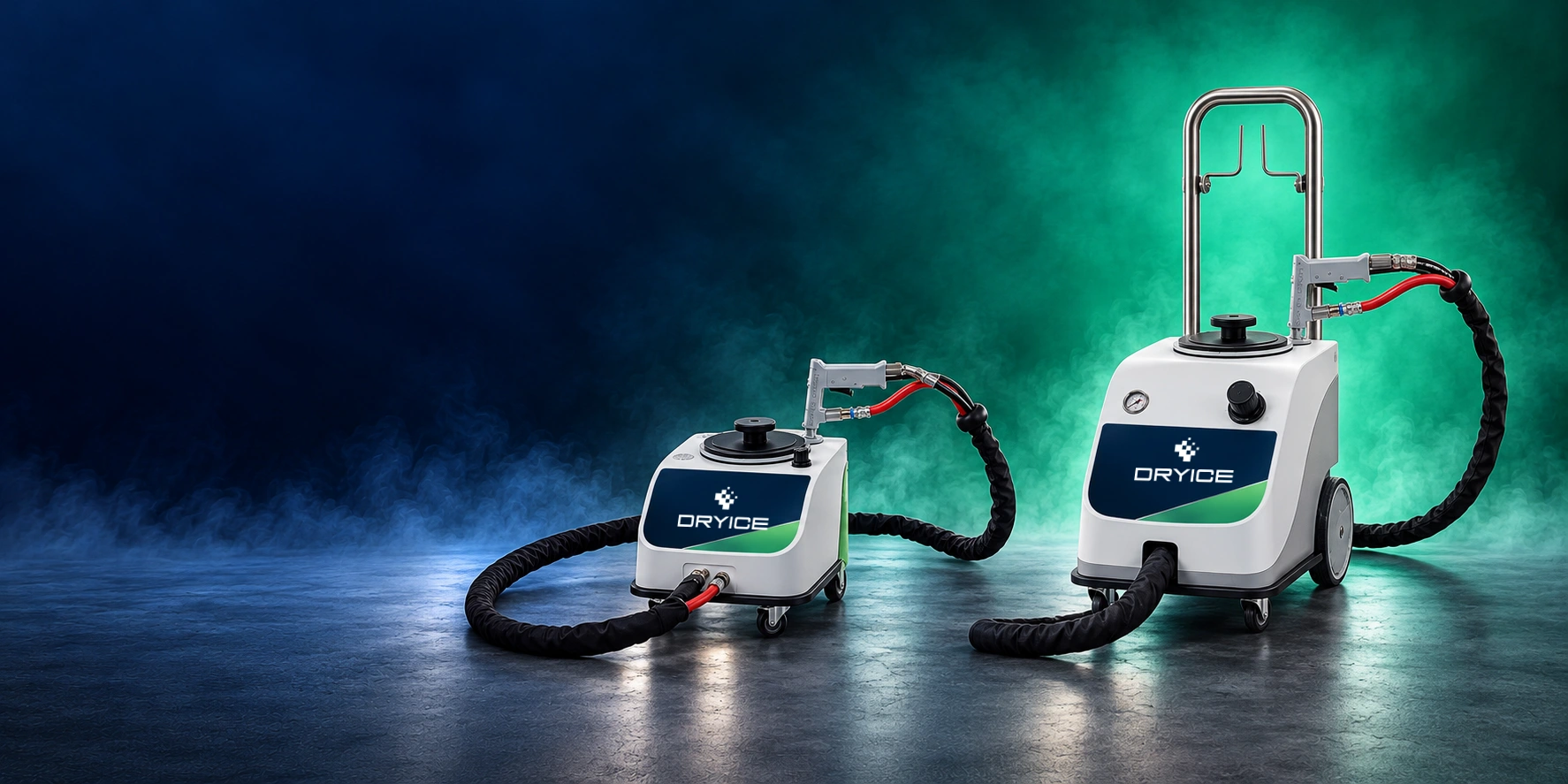 Not sure which machine?Describe the task and we will propose a set-up.
A clean surface with no added water.
We assess your photographs, run a trial where needed and clean on your site.
OverviewService
About the method
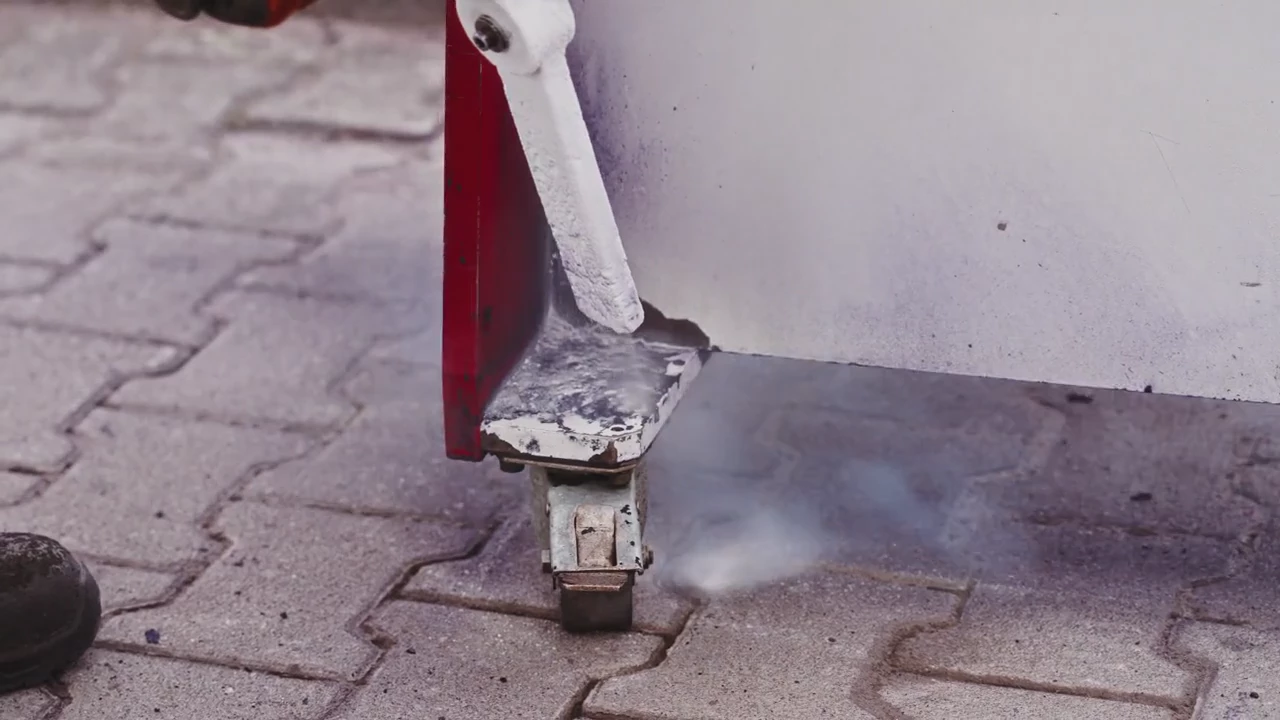 From our workSend us photographs.We will tell you whether and how it can be done.
Four directions. One whole.
Who we are, where to find us and how to get in touch.
About the company Let’s talk.+420 720 940 022 · info@dry-ice.cz
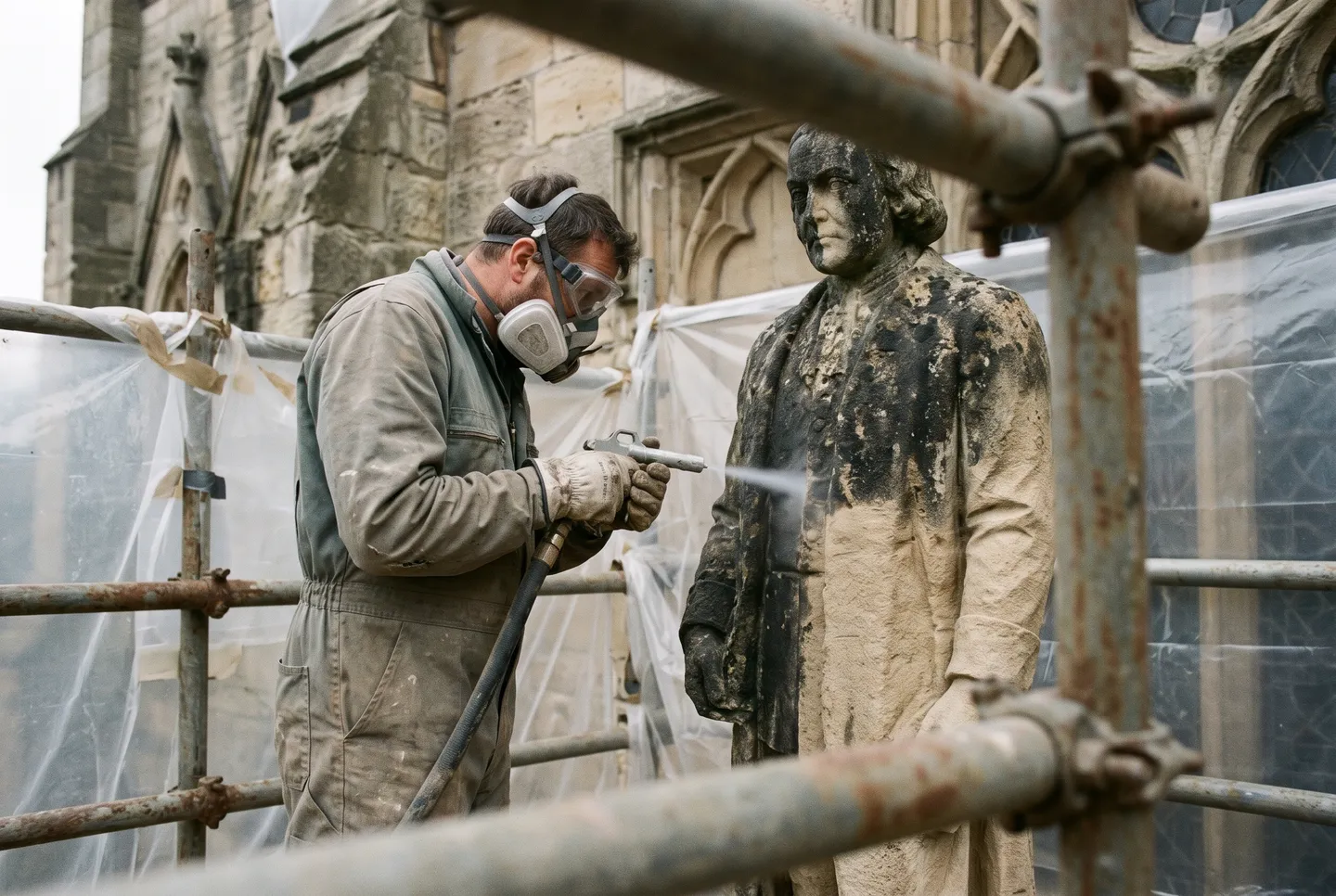
Applications / Heritage and art
On historic surfaces, dry ice can help remove selected deposits, coatings or graffiti. The restorer and an on-site test decide on the procedure.
Who it is for
Restorers and custodians of monuments and stonework.
No water or chemicals are introduced into the material during cleaning.
Any intervention on a monument must be approved by the responsible restorer or the heritage authority. A weathered, non-cohesive surface can be damaged, so we always start with a test.
Where to go next
We assess your photographs, check the approach and carry out the work at your site.
Find out moreDo you clean regularly? We will go through machines, air and accessories.
Find out morePellets for cleaning, as a one-off or for regular operation.
Find out moreOther areas
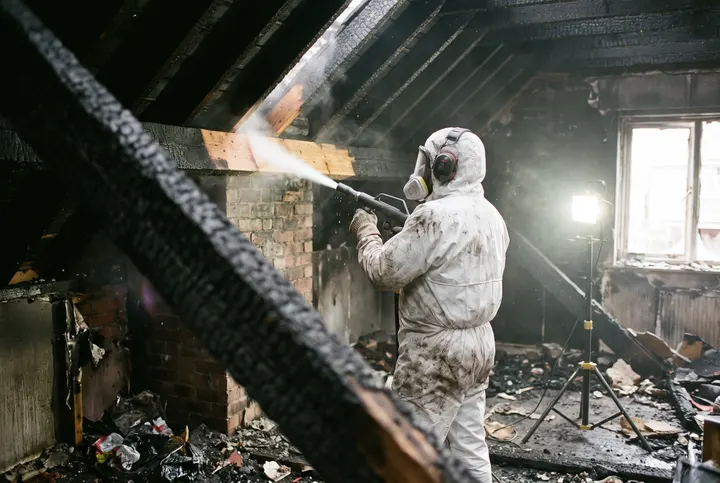
Soot · roof trusses · masonry
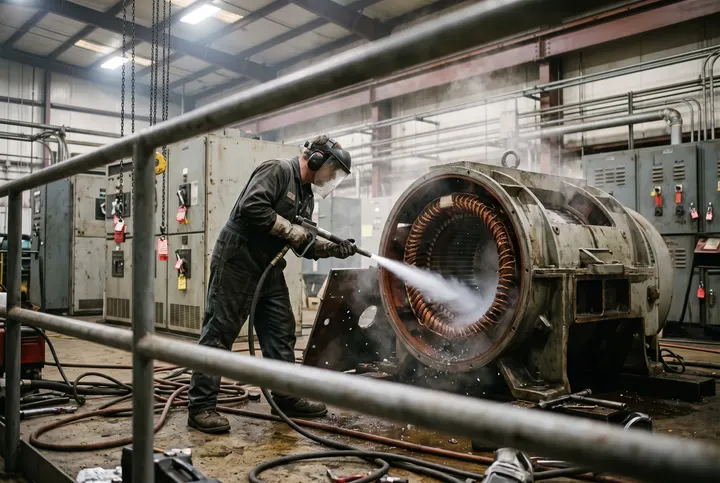
Generators · turbines · shutdowns
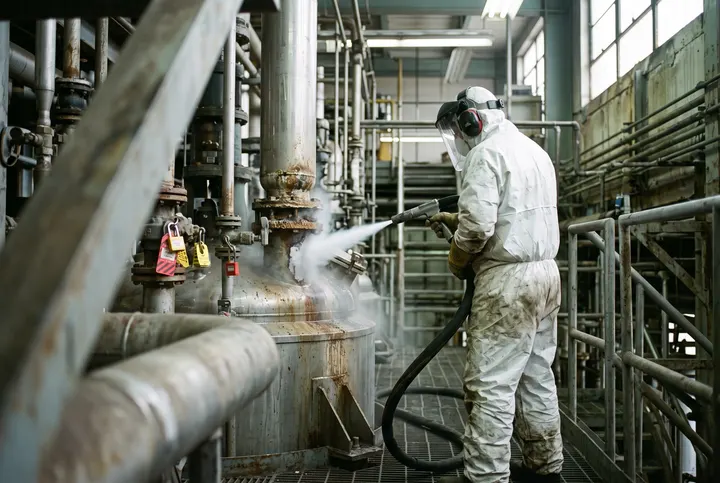
Process equipment · pipework · shutdowns
The texts describe what the technology can do. We always check suitability against the surface and the conditions on site.
Dry Ice Cleaning websiteLet’s start with your question
Tell us about your job. Together we will find the next step.